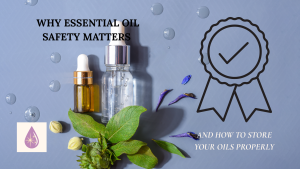
Essential oils can feel simple and calming to use, but they are also highly concentrated plant extracts.
That means a small amount goes a long way, and how you use them matters just as much as which oils you choose.
Safety isn’t about fear. It’s about confidence.
When you understand a few basic principles, aromatherapy becomes easier, safer, and much more enjoyable.
Why Safety Matters More Than Complexity
Most beginner confusion doesn’t come from essential oils themselves. It usually comes from:
- Too much information at once
- Conflicting advice online
- Skipping basic steps like dilution
Safety actually simplifies aromatherapy because it gives you a clear starting point. Instead of guessing, you follow a few simple guidelines that keep things consistent and comfortable.
Why Dilution Matters
Essential oils are extremely concentrated. Even a single drop contains a high level of plant compounds, which is why essential oils should not be applied directly to the skin.
Dilution helps by:
- Making oils gentler on the skin
- Reducing the risk of irritation
- Allowing safer, more consistent use
Think of dilution not as a limitation, but as support. It helps you use essential oils in a way that is sustainable and comfortable.
The Golden Rule of Dilution
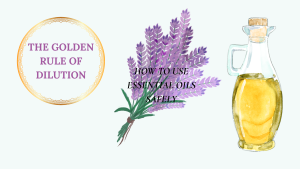
Always dilute essential oils before applying them to the skin. Beginner guideline: 1–2 drops of essential oil per 1 teaspoon of carrier oil
Common carrier oils include:
- Jojoba oil
- Sweet almond oil
- Fractionated coconut oil
Start small. You can always adjust later if needed.
Simple Dilution Guide (Beginner Friendly)
To keep things simple:
- Light use (sensitive skin / daily blends): very low dilution
- General use: 1–2 drops per teaspoon of carrier oil
- Short-term use: slightly stronger dilution, but still moderate
If you’re unsure, always start with less. Less is not weaker. It is safer and often more comfortable.
Patch Testing (A Simple Step That Matters)
Before using any new essential oil regularly:
- Apply a small diluted amount to the inner arm
- Wait several hours (up to 24 hours if needed)
This helps you understand how your skin responds. Even natural ingredients can have varying effects on different individuals, so this step adds an extra layer of confidence.
⏰ Safe Everyday Use Habits
A few simple habits make aromatherapy safer and more enjoyable:
- Use small amounts
- Take breaks between diffusion sessions
- Use oils in well-ventilated spaces
- Pay attention to how your body responds
You don’t need frequent or intense use for aromatherapy to be effective. Gentle, consistent use is often more supportive.
Storage Matters More Than Most Beginners Think
Proper storage helps maintain both safety and quality:
- Store oils in dark glass bottles
- Keep them in a cool, dry place
- Close tightly after each use
- Avoid direct sunlight or heat
Good storage helps preserve the integrity of your oils over time.
👶🐾 Safety Around Children & Pets
Extra care is important in shared spaces:
- Use very light diffusion
- Avoid heavy or constant exposure
- Allow pets to leave the room if needed
Gentle use is always the safest approach in households with children or animals.
What This Means Moving Forward
If you understand dilution and basic safety, you already understand one of the most important foundations of aromatherapy.
Everything else builds on this.
Safety is not a restriction; it is what makes aromatherapy sustainable. When you understand how to use essential oils properly, you gain more confidence and less confusion over time.
Start small, stay consistent, and allow your experience to develop naturally.
Coming Up Next
Next, we’ll explore: Simple Oils to Start Your Aromatherapy Journey
This will give you a clear, beginner-friendly starting point so you know exactly which essential oils to begin with and how to approach them confidently.